

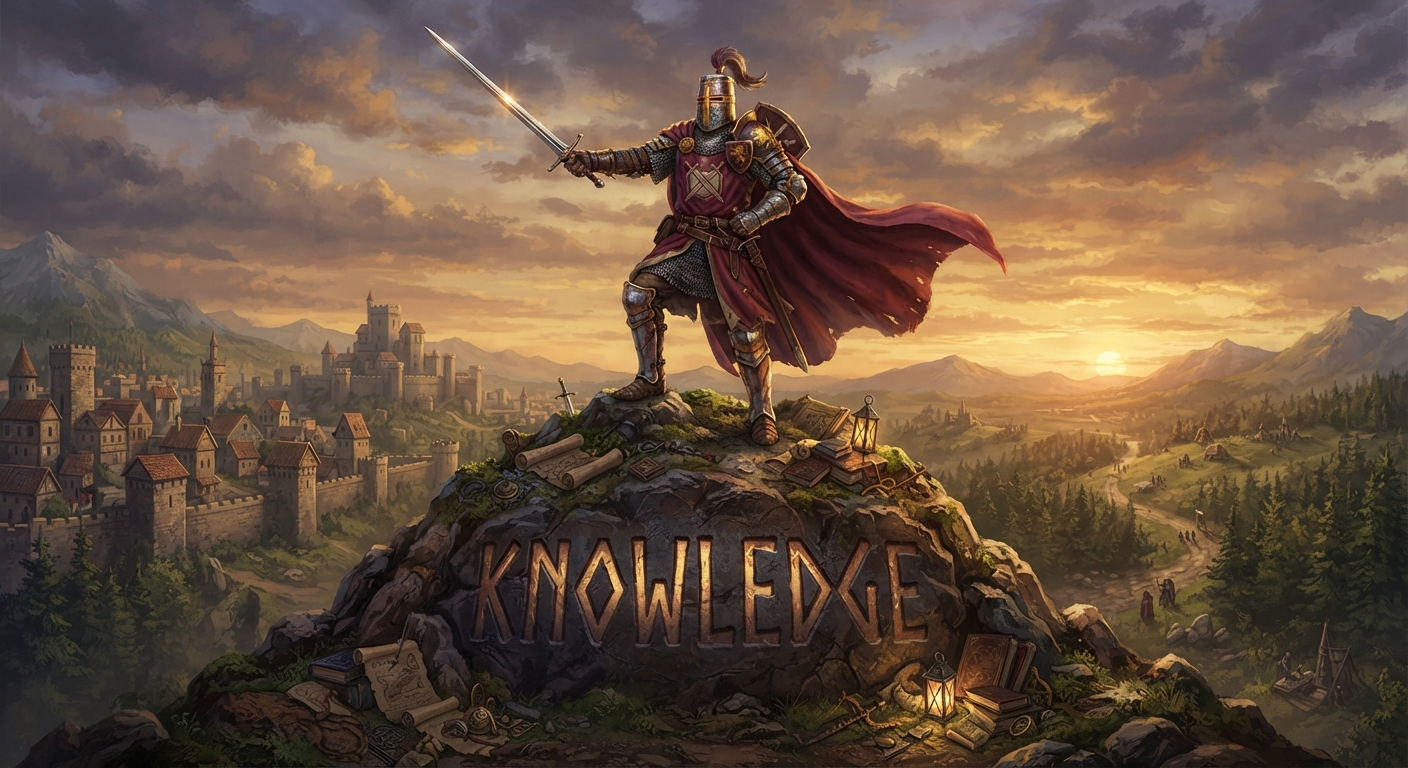
I was conversing with a Gen Z-er. He wasn’t anti-AI, but we both were concerned. Here are a few things we are observing: students using AI but not even smartly, copying and pasting even the AI intro; they are not even reading and checking what comes out.
But what we fear most is that if youngsters outsource their budding cognitive abilities so early, they will not grow to full capabilities, and that will make them much easier to manipulate later. Education is supposed to be a time to put them well on their way to becoming fully functioning thinking adults.
As a Gen X-er myself, I realise how my own education was skewed. The way we learned was to absorb facts and figures to regurgitate in an organized way. I’d argue that we feigned understanding, because, to be truthful, there was mostly no way to check the knowledge against reality. So most of us came out of education as smart parrots.
As a society, we invest a lot of time, money, energy, sweat, blood, and tears into something, and it appears to be working for some time. Take the Great Wall of China: the ultimate fortification, the ultimate deterrent against invasion.
It worked for years. Then the Manchu forces arrived. Did they destroy the wall? No. They went right through it.It was left open at Shanhai Pass. All that fortification didn’t stop the invasion.
In the same way, for years, education tried to keep ignorance at bay by feeding us data, formulas, figures, not understanding. Then AI came on the scene, and with it, we opened the gates to ignorance again. AI can make us believe anything because we never built the inner defenses.
How do we build these inner defenses? Adults and youngsters alike have to step up the thinking.
Enter Bloom’s taxonomy.
It’s a framework that sorts thinking by how demanding it is. It has six layers: remember, understand, apply, analyze, evaluate and create. Think of them as cognitive armor.
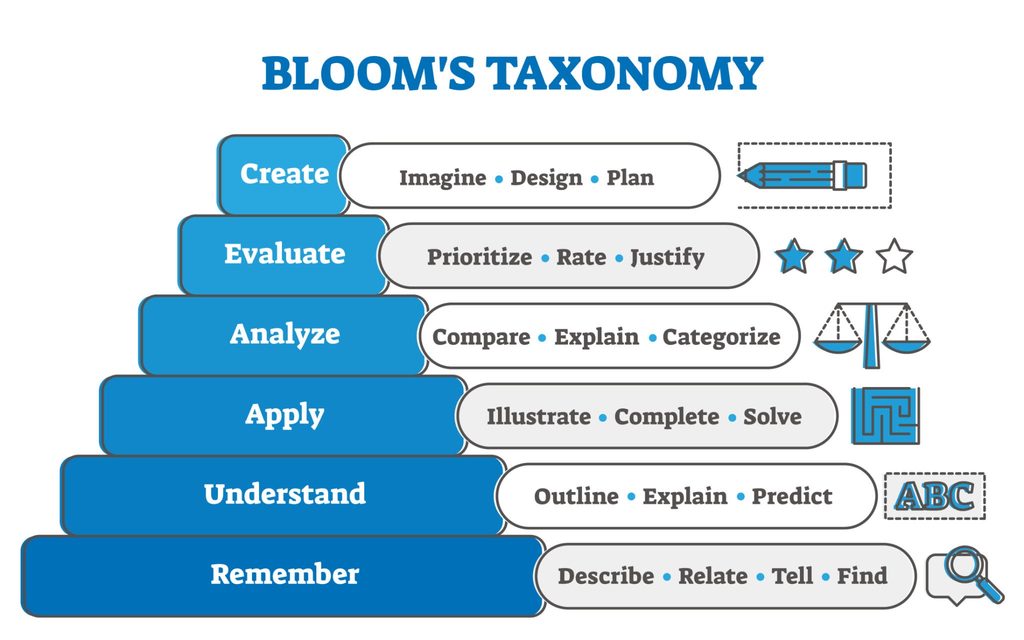
The first layer is remembering: facts, data, figures. That is the Great Wall we built, impressive and massive. It keeps out the obvious invaders, but it does nothing if the enemy slips through the gate. Much of our old education leaned on that first layer: we memorized, we regurgitated, we repeated.
We need the other layers too, at the very least the next 2. Understanding means explaining the concept in your own words. Applying means using it in a situation you haven’t seen before. Analyzing breaks it apart to see how the pieces relate. Evaluating judges it against evidence and clear criteria, and defends the judgment. Creating assembles the pieces into something original.
This is a better approach to learning. Not just repeating facts. Also put them in your own words, which shows whether you actually understand them. Then push further: using the idea in other situations, analyzing how things fit together, checking claims against evidence, and assessing how helpful, effective, or relevant they are to a given situation. Layer by layer, we can build that armor ourselves, until questioning isn’t a chore but a habit. It won’t make us immune, but it will give us a far better chance of spotting the Manchus, the AI hallucinations, the manipulation tactics, before they do too much damage.
Reflect, Redefine, Rise!
R.
Leave a Reply